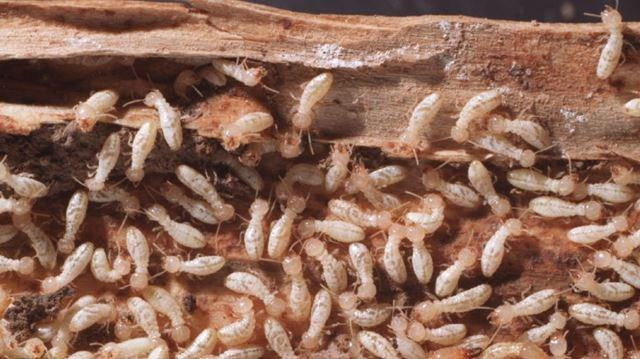
Termites are among the most destructive pests that invade homes and buildings, silently causing billions in property damage every year. Unlike many pests that leave clear signs of their presence, termites work quietly behind walls, beneath floors, and inside wooden structures, making them difficult to detect. These insects primarily feed on cellulose, which is found in wood, paper, and plant matter, making homes the perfect feeding grounds. A small colony can grow into a massive population within a short period, leading to structural instability and costly repairs. Homeowners often discover the damage only after it has progressed significantly, highlighting the need for early detection and prevention.
There are three main types of termites that commonly attack buildings: subterranean, drywood, and dampwood termites. Subterranean termites are the most widespread and aggressive species. They live in soil and build mud tubes to travel to above-ground wood sources. Drywood termites do not need contact with soil and live directly inside wooden materials such as furniture, doors, and flooring. Dampwood termites, as the name suggests, prefer moist and 白蟻防治 decaying wood and are more likely to infest homes with water damage or high humidity levels. Each type of termite presents its own unique challenges, and proper identification is necessary to determine the best treatment approach.
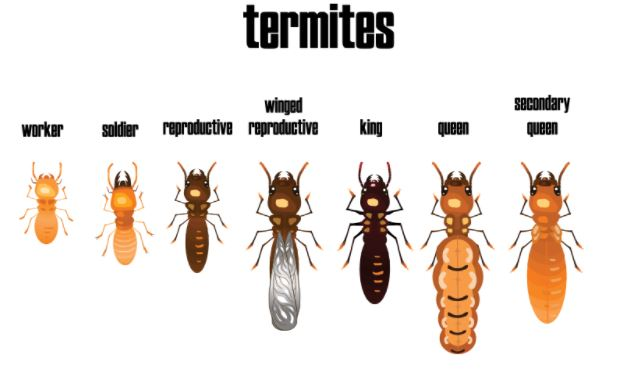
Termite colonies are complex social systems with a caste structure made up of workers, soldiers, and reproductive termites, including a queen and king. The queen lays thousands of eggs over her lifetime, which allows colonies to grow rapidly. Workers are responsible for foraging and feeding the entire colony, including the queen and the soldiers, who defend against threats such as ants. Winged reproductive termites, or alates, swarm out of the colony to establish new colonies. These swarms typically occur during warm seasons and are often the first visible sign of a termite problem. Discarded wings near windows or doors can be a key indicator of their presence.
Detecting a termite infestation early can save homeowners from costly repairs. Some of the common signs include hollow-sounding wood, sagging floors or ceilings, peeling paint that resembles water damage, mud tubes on walls or foundations, and visible termite droppings called frass. These symptoms often appear after significant internal damage has already occurred. Professional pest inspections are crucial for detecting hidden infestations, as trained technicians use specialized tools and techniques to identify termite activity within walls and foundations. Early intervention not only minimizes structural damage but also reduces the cost and complexity of treatment.
Treatment methods vary depending on the species of termite and the severity of the infestation. Subterranean termites are often treated with liquid termiticides that create a protective barrier around the home, or with baiting systems that eliminate the colony from within. Drywood termites may require localized treatments such as spot injections or whole-structure fumigation for widespread infestations. Environmentally friendly options like heat treatments and orange oil-based products are gaining popularity for their reduced toxicity. Regardless of the treatment method, follow-up inspections and preventative maintenance are essential to ensure the colony is fully eradicated and to guard against future infestations.
Preventing termite infestations begins with reducing conditions that attract them. Homeowners should address moisture issues by repairing leaks, ensuring proper drainage, and using dehumidifiers in humid areas. Firewood, lumber, and other cellulose-based materials should be stored away from the home and elevated off the ground. Any cracks or gaps in the foundation, walls, or roofline should be sealed to prevent termite entry. Regularly inspecting and maintaining the structural integrity of a home can go a long way in deterring termite activity. With awareness, vigilance, and professional support, the threat of termite damage can be managed effectively, protecting homes from these silent destroyers.
