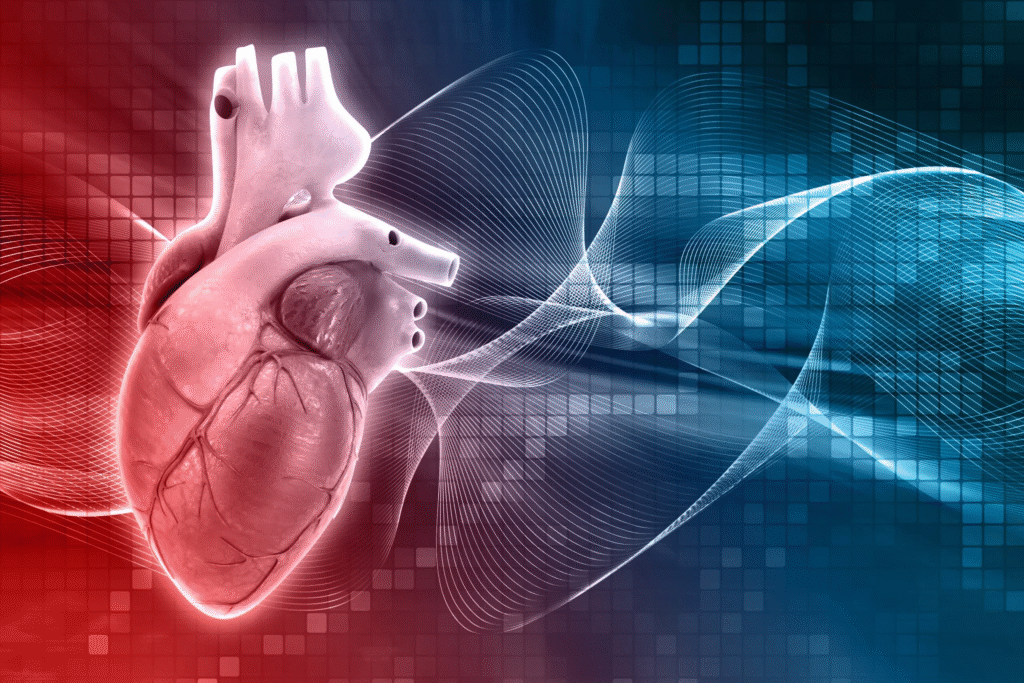
Cardiology is the medical specialty devoted to ct scan understanding, diagnosing, and treating diseases of the heart and the cardiovascular system. As heart disease remains the leading cause of death worldwide, cardiology plays an essential role in modern healthcare. The field encompasses a broad range of conditions, from common issues like high blood pressure and arrhythmias to more complex disorders such as coronary artery disease and heart failure. Advances in cardiology have greatly improved survival rates and quality of life for patients, making it a dynamic and continually evolving discipline.
At the core of cardiology is the study of the heart’s function and structure. The heart’s primary role is to pump oxygen-rich blood throughout the body, supplying tissues with essential nutrients. When the heart or the blood vessels supplying it are compromised, it can lead to serious health complications. Conditions such as coronary artery disease arise when arteries become narrowed or blocked due to plaque buildup, reducing blood flow to the heart muscle. Arrhythmias, or irregular heartbeats, can affect the heart’s ability to pump blood effectively. Cardiologists use diagnostic tools like electrocardiograms (ECG), echocardiograms, and stress tests to assess heart function and identify abnormalities.
Prevention and early intervention are pillars of cardiology. Many cardiovascular diseases develop over years and are influenced by lifestyle factors such as diet, exercise, smoking, and stress. Cardiologists focus on controlling risk factors like hypertension (high blood pressure), high cholesterol, diabetes, and obesity through a combination of lifestyle modifications and medications. Educating patients about heart-healthy habits and encouraging regular screening tests can significantly reduce the likelihood of heart attacks, strokes, and other complications. Early detection and management are key to preventing irreversible damage to the heart and vessels.
Treatment in cardiology ranges from lifestyle changes and medication to advanced procedures and surgeries. For many patients, medications such as beta-blockers, statins, and blood thinners help manage symptoms and prevent disease progression. In more complex cases, interventional cardiology techniques like angioplasty and stenting can restore blood flow to blocked arteries without open surgery. When necessary, cardiac surgery such as bypass grafting or valve replacement is performed to correct structural problems. These advancements have revolutionized the care of heart disease, offering patients more options with faster recovery times and better outcomes.
Research and technology are constantly pushing the boundaries of cardiology. Innovations such as 3d imaging, robotic-assisted surgeries, and implantable devices like pacemakers and defibrillators have enhanced diagnostic accuracy and treatment effectiveness. Genetic research has also shed light on inherited cardiovascular conditions, leading to personalized medicine approaches that tailor treatment to individual patient profiles. Telemedicine and wearable health technology allow for remote monitoring, making it easier for patients to manage chronic heart conditions with continuous support from their healthcare teams.
In conclusion, cardiology remains one of the most vital and rapidly advancing fields in medicine. Its focus on prevention, diagnosis, treatment, and innovation continues to save countless lives and improve the health of millions globally. As research progresses and technology evolves, cardiologists are better equipped than ever to combat heart disease and help patients lead longer, healthier lives. The ongoing commitment to understanding the heart and its complexities ensures that cardiology will continue to be a cornerstone of medical science and patient care.
