The Floor Never Sleeps: Upgrades Without Stops
No, your robots don’t need downtime to get smarter. Today’s robotics software stacks can roll updates while lines run, and amr software solutions should make that the norm, not the fantasy. Picture a 3 a.m. warehouse: pallets moving, pickers staging, AMRs weaving through end caps. Logs show a 12–18% throughput dip during patch windows on many sites, mostly due to restarts and map reloads. Edge computing nodes stall, SLAM pipelines reset, and fleet orchestration backs off to “safe” modes. That’s your scenario. Here’s the data. So ask yourself—why are we still treating updates like a pit stop when the track never closes?
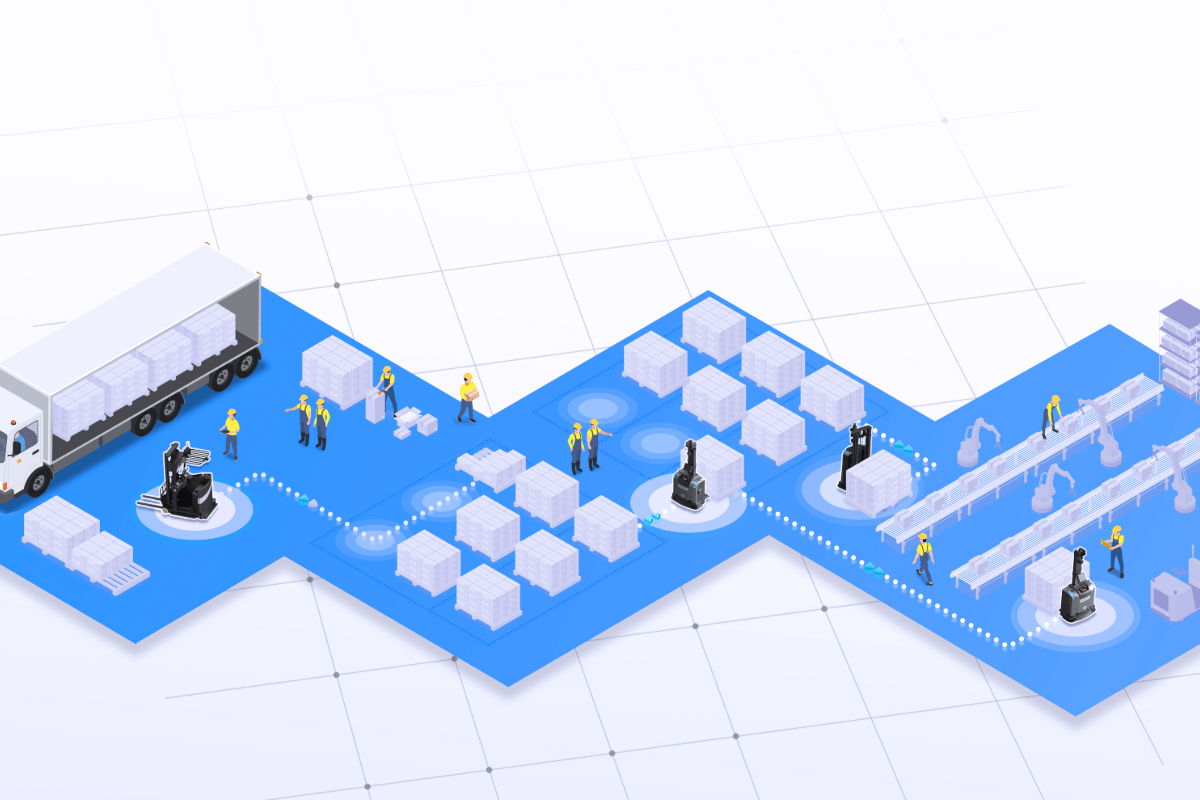
Look, it’s simpler than you think. Most “upgrade pain” comes from coupling: perception glued to navigation, navigation glued to jobs, jobs glued to the host. One tweak ripples into three systems (and a late-night call). If the goal is zero pause, the fix starts with clean seams: versioned APIs, staged rollouts, and health checks that gate traffic. You need change that is observable, reversible, and boring. That’s the bar. Ready to see where traditional approaches trip?
The Hidden Cost of “Seamless” Updates
What’s breaking under the hood?
Here’s the technical bit. Many fleets still run a monolithic scheduler that assumes global restarts for safety. Even when vendors say “hot swap,” the control plane often rebinds topics across ROS 2 middleware and stops work while QoS resets propagate. In practice, that means AMRs freeze for seconds, sometimes minutes—funny how that works, right? Worse, static maps live inside the nav container, so a minor SLAM change forces a full nav roll. With amr software solutions done right, these seams get cut: maps become external, behaviors are declarative, and the scheduler tolerates mixed versions on the same floor.
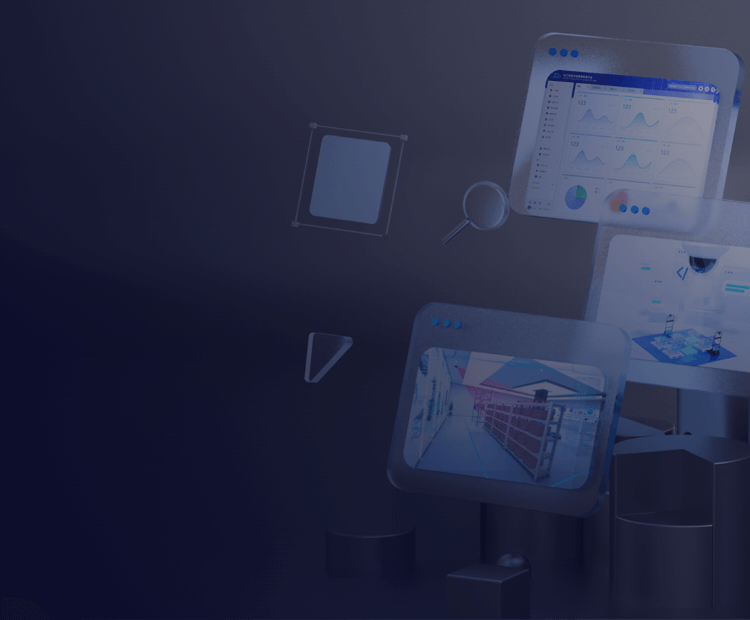
Hidden pain points keep stacking. Canary routing is rare, so teams blast updates to the entire fleet and hope. Telemetry is coarse, so you can’t tell if a regression came from the planner, the perception model, or the job allocator. And firmware dependencies get sticky; tie your safety stack to vendor-specific power converters or sensors, and you inherit their release clock. The result is brittle change and rollback theater. The fix isn’t “more testing”—it’s architectural: isolate behaviors, pin interfaces, and gate by live health, not faith. Yep, seen it.
Next-Gen Playbook: Compare by Principles, Not Promises
What’s Next
Forward-looking fleets compare on principles, not slogans. The shortest path: blue–green deploys on the edge, version-gated APIs, and behavior trees decoupled from perception. Add a digital twin to rehearse routes and jobs before real traffic, then release via canary tasks while the rest of the fleet runs. When amr software solutions support mixed-version orchestration, you can keep old and new planners side by side, drain routes from bad actors, and flip back fast. Small steps, reversible steps—then scale. And yes, this reduces risk more than “big-bang” weekends ever did.
Here’s how to choose, in practical terms. Use these three evaluation metrics: 1) Upgrade blast radius: can you target a single robot, a zone, or a job class, and roll back in under 60 seconds? 2) Observability depth: do you trace from sensor frame to task completion with per-component latency and error budgets? 3) Compatibility envelope: can mixed clients run safely with versioned contracts across mapping, planning, and fleet control? If a platform nails those, the rest follows—fewer restarts, steadier flow, calmer nights. Compare vendors by these signals, not demos. Insights you can use, delivered quietly, so your floor never sleeps—and your team gets to. SEER Robotics.
