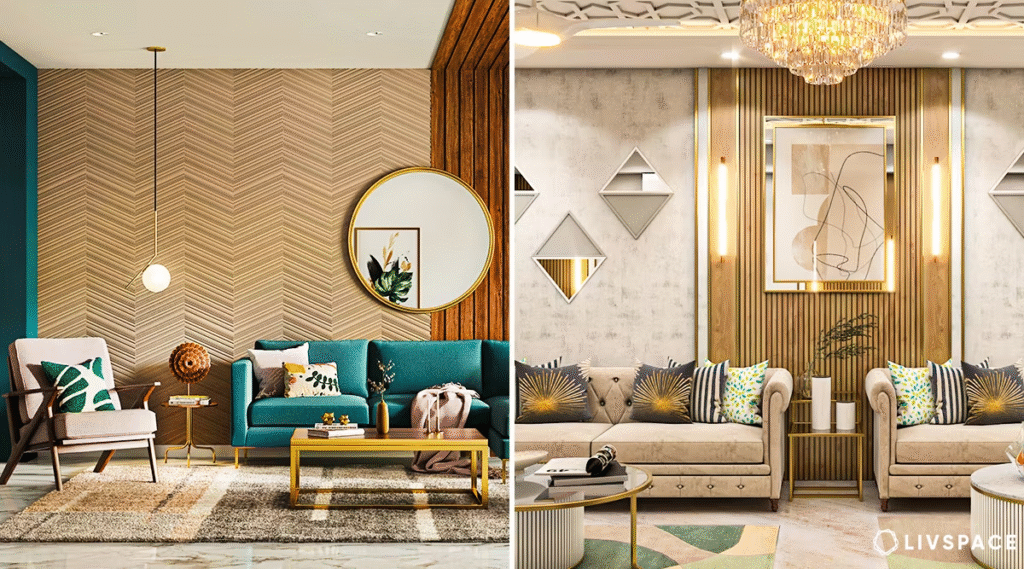
Interior design and decoration have evolved into powerful tools that shape the ambiance, function, and identity of a space. Beyond aesthetics, thoughtful in 無印風 terior design enhances the way we live, work, and interact within our environments. Whether in homes, offices, or public spaces, the goal of interior design is to create harmony between the structure and its purpose. By considering space planning, light, flow, and materials, designers craft rooms that are not only visually appealing but also practical and comfortable. Decoration, as an extension of design, personalizes the space with elements that reflect individual taste, culture, and lifestyle.
A key element of interior design is spatial planning, which ensures that every square foot is used efficiently. In modern urban living, where space is often limited, smart layouts can make even the smallest rooms feel open and functional. Designers use tools like floor plans, furniture placement, and visual balance to avoid clutter while maintaining usability. Open-concept living, multi-functional furniture, and integrated storage are all strategies that have grown in popularity due to their ability to adapt to different needs. The goal is to make movement intuitive and natural while maintaining the room’s purpose and character.
Color is another cornerstone of interior decoration that holds immense transformative power. The right color palette can dramatically influence mood, perception, and energy within a space. Soft neutrals often create a sense of calm and serenity, while bold, saturated tones can energize or create drama. Accent walls, textiles, and accessories allow for easy experimentation with color, offering flexibility without overwhelming the core design. Designers often draw on color psychology when making choices, selecting hues that complement the space’s function—such as using tranquil blues in bedrooms or vibrant yellows in kitchens.
Lighting plays a crucial role in both function and mood. Natural light is prized for its ability to make rooms feel warm and expansive, but artificial lighting is just as essential. Layered lighting—ambient, task, and accent—enables flexibility in how a space is used throughout the day. Dimmer switches, smart bulbs, and well-placed fixtures contribute to a dynamic and comfortable atmosphere. For example, under-cabinet lighting in a kitchen enhances visibility while cooking, while pendant lights over a dining table create intimacy. Lighting also highlights textures and design features, adding depth and dimension to a room.
Furnishings and accessories bring design concepts to life by blending functionality with personal expression. From the selection of sofas, tables, and chairs to the placement of rugs, artwork, and décor, every item contributes to the overall narrative of the room. Texture, pattern, and materiality play important roles here—soft fabrics add comfort, while metal or glass can bring a sleek, modern edge. Accessories like mirrors can make a room feel larger, and plants add a natural element that purifies the air and softens the space. These layers work together to create a cohesive and inviting environment that feels uniquely yours.
Ultimately, interior design and decoration are more than trends—they are about creating spaces that support and elevate daily life. A well-designed home promotes relaxation, productivity, and joy. In commercial settings, design enhances brand identity, customer experience, and staff efficiency. As our lives become more centered around the spaces we inhabit, the demand for meaningful, functional, and beautiful interiors continues to grow. Interior design gives us the tools to shape our surroundings in ways that inspire, comfort, and reflect who we are. With the right design approach, any space can become a place of purpose and beauty.
