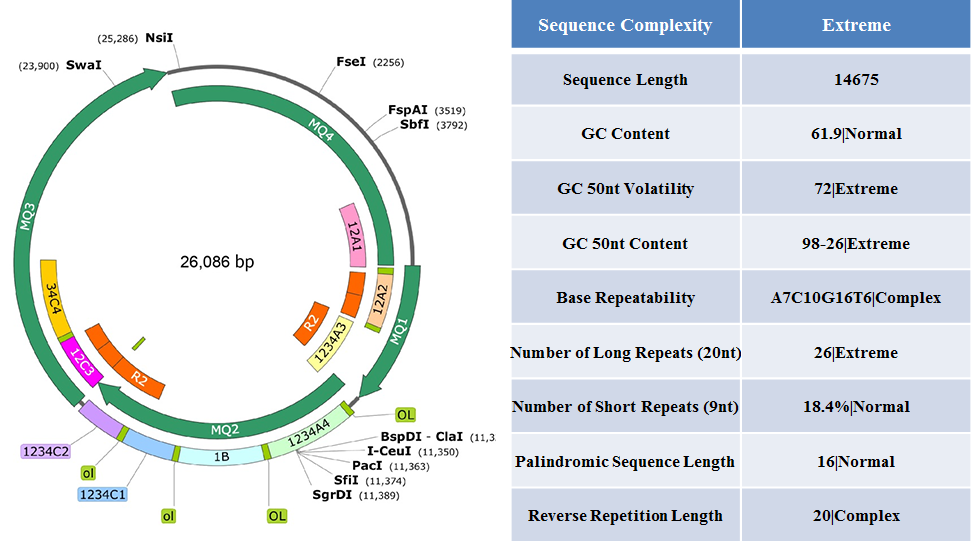
As I delve into the fascinating world of artificial gene synthesis, I can’t help but feel a sense of excitement about its potential. This innovative technology allows scientists to create custom DNA sequences with remarkable precision, opening doors to groundbreaking research and applications in medicine, agriculture, and beyond. But as we embrace this scientific marvel, it’s essential to consider the legal frameworks that govern it.
Understanding Artificial Gene Synthesis: A Legal Perspective
Artificial gene synthesis is not just about creating new genetic material; it also comes with a unique set of legal attributes that ensure responsible use. The regulatory landscape surrounding this technology emphasizes compliance obligations aimed at safeguarding public health and environmental integrity. These regulations require researchers and companies engaged in synthetic biology to adhere strictly to guidelines that promote ethical practices while fostering innovation.
The Role of RNA Oligonucleotide Synthesis in Compliance Obligations

Diving deeper into rna oligonucleotide synthesis reveals specific compliance obligations tied directly to its application. As these short strands of nucleotides are synthesized for various purposes—ranging from therapeutic development to diagnostic tools—they must meet stringent quality control standards established by regulatory bodies like the FDA or EMA. This ensures not only efficacy but also safety for end-users, reinforcing trust in biotechnological advancements.
Synthetic Biology (Synbio) and Its Compliance Characteristics
Synthetic biology (Synbio), an umbrella term encompassing artificial gene synthesis among other techniques, carries its own set of compliance characteristics. Regulations often focus on risk assessment protocols designed to evaluate potential impacts on biodiversity and human health before any Synbio product can hit the market. By adhering to these rigorous standards, stakeholders contribute positively towards sustainable development while minimizing risks associated with novel biological entities.
Conclusion: Embracing Responsibility in Innovation
In summary, artificial gene synthesis represents an exhilarating frontier within biotechnology—but it’s crucial that we navigate this terrain responsibly through robust compliance obligations. By understanding the legal attributes surrounding both RNA oligonucleotide synthesis and synthetic biology as a whole, we can foster an environment where innovation thrives alongside ethical considerations for society’s well-being.