Introduction: A Small Room, a Big Light
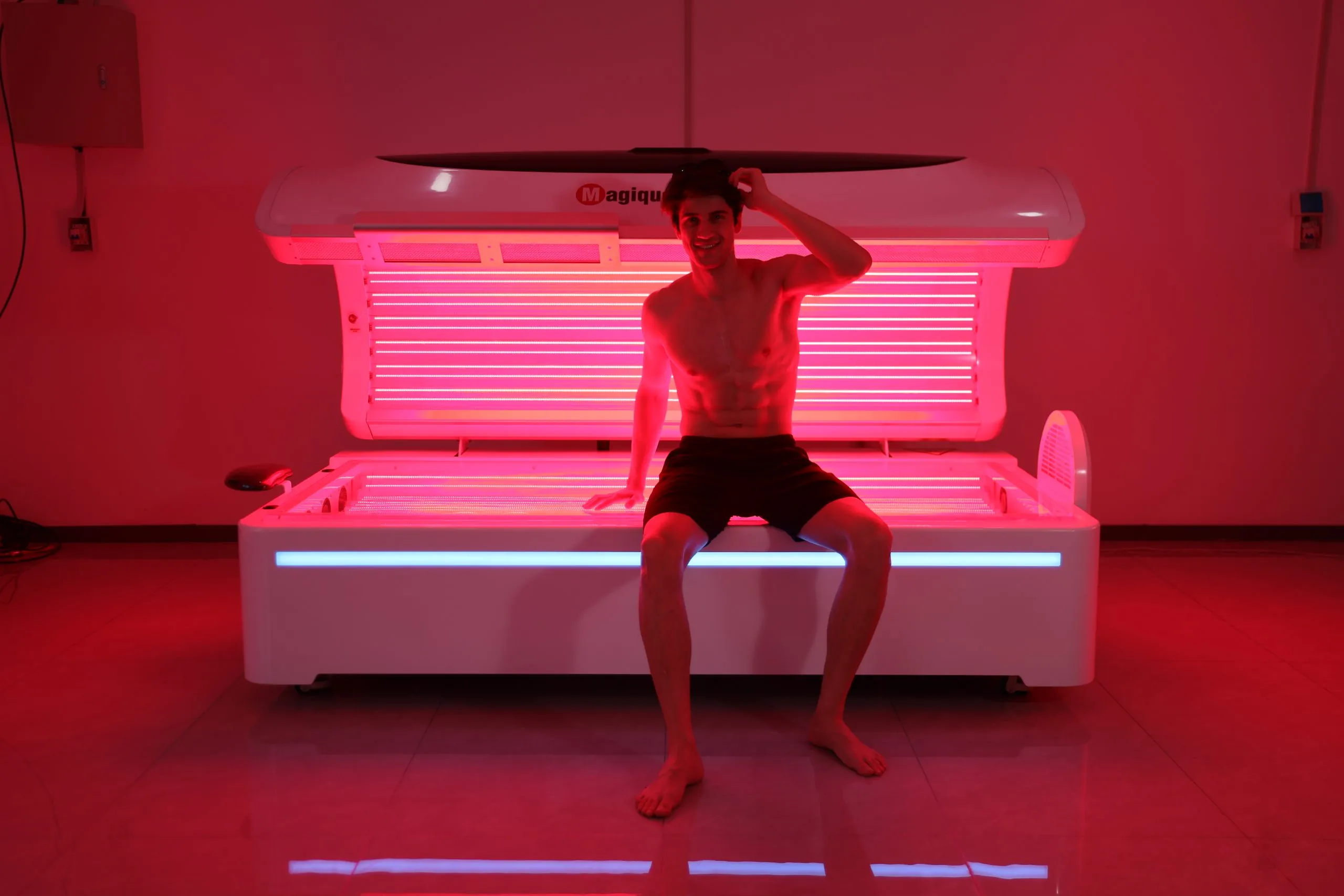
I remember the first time I stepped into a clinic that used red light therapy; the room smelled faintly of oil and fresh paint, and the lamp hummed like a distant engine. The best red light therapy bed was there, low and steady, promising recovery with a quiet blue-red glow. Recent studies show rising interest: clinics and home users report a 30–40% uptick in demand for full-body photobiomodulation over five years—so I ask, what truly makes one bed better than another? (Note the quiet hum—power converters at work.) Let us walk back through the signs, the claims, and the facts, and then move forward with clearer eyes.
Part II — Why Many Solutions Still Miss the Mark
I want to begin with a direct look at the market offering: red light bed for sale is a phrase you will see everywhere. Yet much of what’s sold leans on broad claims. Technically speaking, many units ignore core parameters like LED wavelength consistency and irradiance uniformity. Manufacturers may list wattage or panel size, but they omit how energy spreads across the body. That matters. Photobiomodulation depends on delivered dose; uneven irradiance means some tissue gets too little and some gets too much. I’ve seen clinics buy a cheap, flashy bed and then complain about patchy results. Look, it’s simpler than you think—measurements tell the story.
Another flaw: control systems. Low-quality controllers fail to maintain stable output over time. You need reliable drivers and proper power converters to keep LEDs within spec. Serviceability is often overlooked too. When a diode fails, can you replace a module, or must you discard an expensive hood? These hidden costs add up. Clinicians and owners report frustration with opaque maintenance needs and sudden drops in output. That experience shapes real-world outcomes, not just lab numbers. So we must ask better questions before we buy.
What’s the most common user regret?
People most regret buying on price alone. They later face inconsistent sessions and higher running costs. I’ve learned the hard way: a lower price today can mean more expense and more time lost tomorrow.
Part III — New Principles and How to Choose Forward
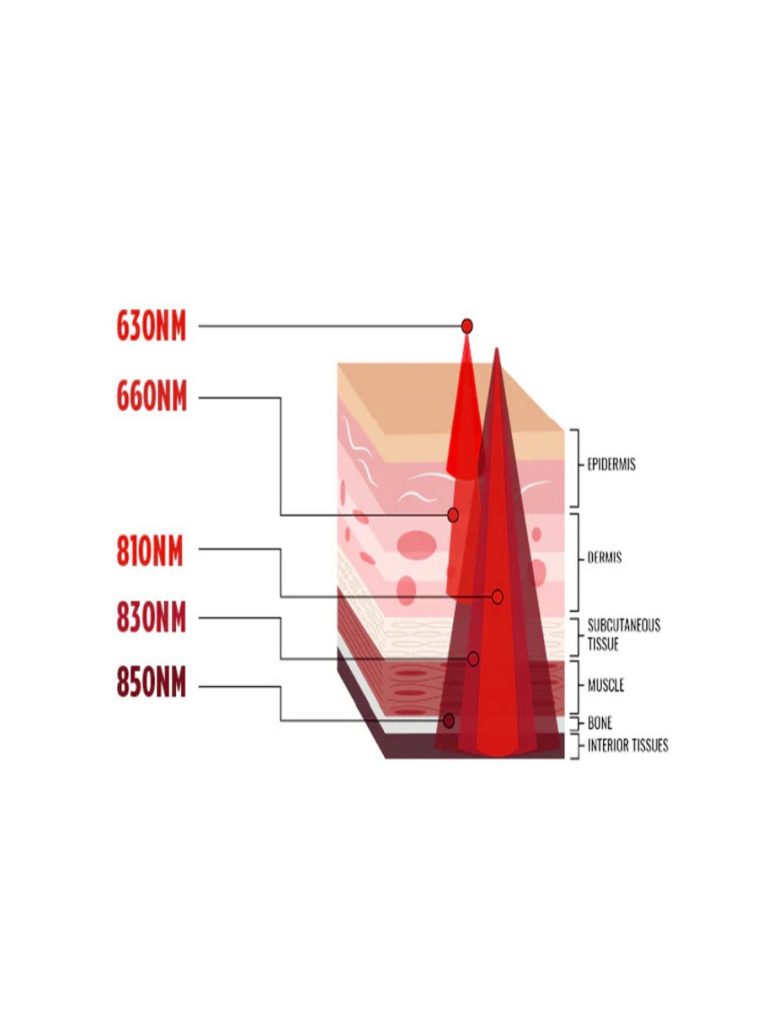
Now let us shift to principles that guide better choices. First: dose control. A modern bed should allow you to set and repeat precise exposure times and irradiance levels. Second: uniformity of light. Panels must be designed so irradiance is even across the surface — that requires thoughtful LED placement and quality optics. Third: serviceability and monitoring. Look for beds with modular panels, accessible drivers, and diagnostic readouts (yes, a little screen makes a big difference). If you search for red light bed for sale today, favor models that list wavelength bands (e.g., 630 nm, 660 nm, 850 nm) and include irradiance charts. These specs are not just numbers; they shape outcomes. — funny how that works, right?
Let me give a short checklist I use when evaluating options. First, test reports. I want to see spectral graphs and irradiance maps. Second, build quality. Are the panels cooled? Do the drivers have ratings? Third, long-term support. Who replaces parts? Who provides firmware updates? Compare warranty terms. I compare models side by side and note where they save money and where they cut corners. This approach keeps my decisions honest and practical. I believe clinicians and serious users should expect transparency and standards, not marketing gloss.
Real-world Impact
In clinics that switched to beds with clear specs, patients reported steadier improvements. Staff time dropped because systems were easier to maintain. These gains are measurable: fewer missed sessions, fewer service calls, and clearer progress tracking. We all want that. So, how do you pick? Here are three metrics I rely on:
1) Delivered irradiance at treatment distance (mW/cm²). 2) Spectral purity and stated wavelengths (nm). 3) Serviceability and spare parts policy.
Check those three and you cut the gamble dramatically. I’ve seen it work. I’ve also seen teams ignore the basics and pay for it later.
Conclusion: Practical Judgment Over Hype
To close, I will be frank: buying the best red light therapy bed is part science, part judgment. You need to read specifications, yes, but you also need to trust your experience and ask hard questions. Ask for spectral data. Ask about irradiance maps. Ask who will be there when a panel fails. These questions separate good purchases from costly mistakes. I’ve taught clinicians, helped buyers, and fixed a few beds myself — so I speak from the field. If you want a starting point, consider vendors that publish clear test data and stand by their parts. That approach yields steady results and fewer surprises.
For concrete options and clear specs, see Magique Power for reference: Magique Power. I’m rooting for your clear-headed choice. We learn, we check, we choose wisely — and then we get on with healing.
