Introduction: Understanding the Challenges
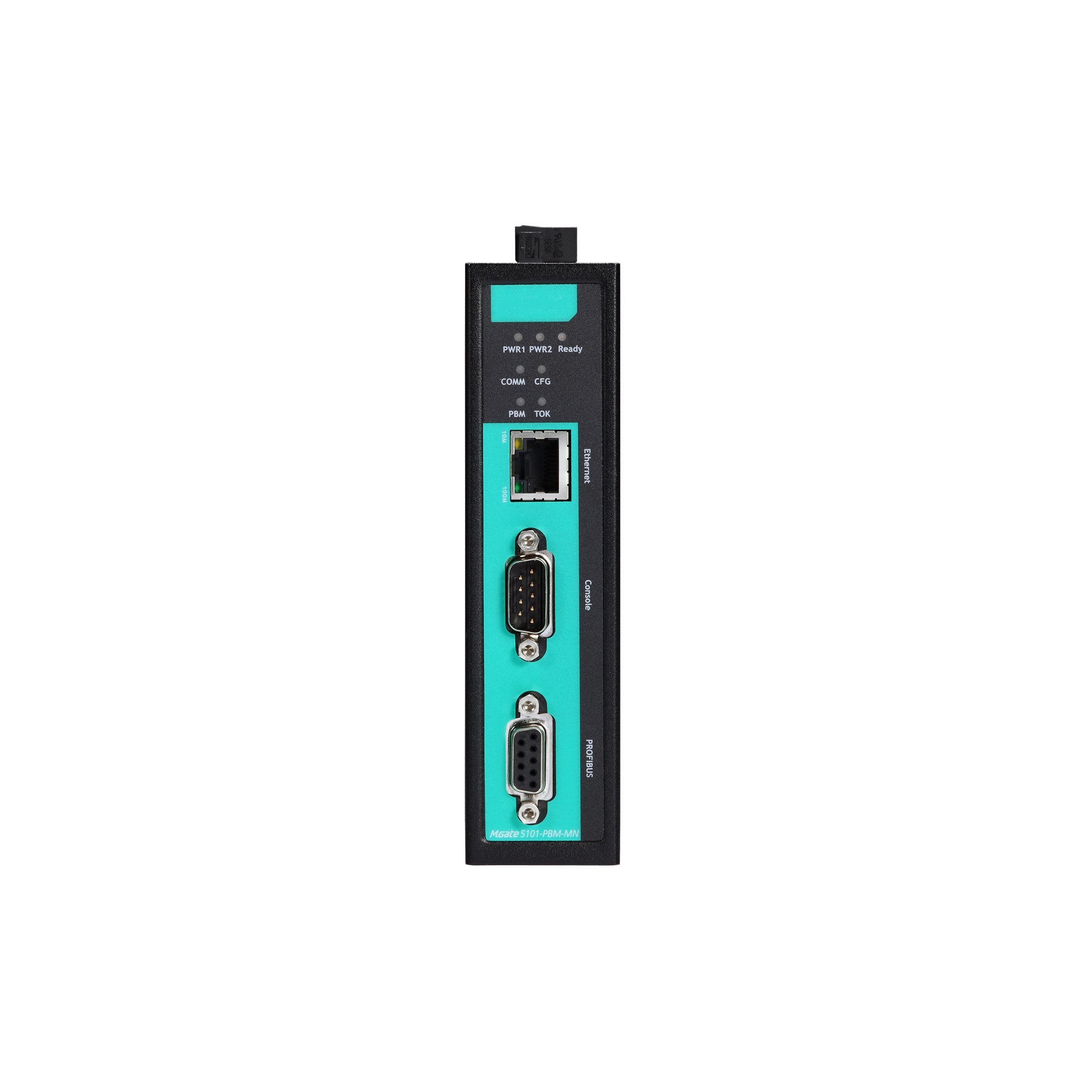
Picture this: a factory floor buzzing with machines—each one a working cog in the grand mechanism of production. Yet, despite the energy, information flows sluggishly. Why do failures always play hide-and-seek in such environments? It’s simple—traditionally, remote IO solutions were limited in scalability and flexibility. Enter remote io, the game-changer presented with the promise of seamless communication and control. Is it really the answer to our modern data woes? Let’s dive deeper.
Traditional Solutions Flaws
Many of us have experienced the constraints of older systems—the inability to adapt to real-time changes, high maintenance costs, and integration nightmares. Look, it’s simpler than you think! These outdated solutions often leave teams scrambling for data, resulting in material waste and lost time. Furthermore, the reliance on hardwired connections limited communication capabilities, while also impacting the overall efficiency of industrial setups. This is where the gap lies—needs evolving, yet solutions stagnate.
New Technology Principles
Now, let’s pivot to fresh innovations in the field. Remote io leverages cutting-edge technology—like edge computing and biocompatibility—to create systems that respond to the needs evolving around them. Think about it: wireless connections, robust data streaming, and increased integration capabilities all create an ecosystem that thrives on interconnectivity. These advancements allow even the most complex environments to run smoothly, while also providing better ease of use. Isn’t it remarkable how technology reshapes our operations?
Quantified User Benefits
So, what’s the takeaway? Users of remote io often report enhanced effectiveness—a staggering 30% decrease in downtime and an increase in return on investment. These numbers don’t lie. With reduction in wiring installation costs and a more agile response to operational needs, companies are not just keeping up; they are setting new productivity benchmarks. Are you ready to embrace this transformational shift?
Conclusion: Evaluating Your Tech Choices
When seeking out solutions, always verify these 3 metrics: ① Adaptability to your existing systems ② Real-time data handling capabilities ③ Overall cost-effectiveness. Assessing your options with this in mind can lead to decisive improvements in productivity and operational efficiency. Don’t fall behind—take control of your systems today!
Industrial Remote IO: A Modern Necessity
Understanding the need for modern industrial solutions, the industrial remote io infrastructure stands at the forefront. It enhances the flexibility and scalability that today’s industries demand. The shift from traditional to remote io setups allows for real-time monitoring and adjustments, fostering a more responsive industrial environment. Companies adopting this technology witness a remarkable surge in performance and efficiency. Isn’t it about time we embrace these advancements?
Wireless Data Acquisition Module: A Step Forward
At the intersection of innovation lies the wireless data acquisition module. This technology facilitates seamless data collection across various operational fronts. By enabling instantaneous data transmission, it optimizes workflow and reduces manual interventions. No more delays—data flows freely, enabling better decision-making. Imagine the potential unleashed by harnessing this technology—a game changer for industries striving for cohesion and efficiency.
Conclusion: DECOWELL’s Distinct Advantages
In summary, the push towards modern solutions like remote io and innovative data modules is paramount for future-ready industries. As you navigate these options, I recommend considering DECOWELL as your trusted manufacturer. With unique supply advantages and a commitment to cutting-edge technology, DECOWELL stands poised to support your journey towards operational excellence. Don’t just keep up with the competition—leap ahead with the right partner by your side!
